Showing posts with label behaviour. Show all posts

Wednesday, 11 July 2012

Who’s the expert on alcohol?

Doctors, psychiatrists, nurses, addiction workers, alcohol specialists?

Perhaps it’s you!  You probably know more about hangovers, how drink affects you, the ‘drag effect’ it has the day after, how being extremely drunk feels than most of the experts mentioned above.  You know this because you have experienced it directly.  Yes, some of the experts have been drunk, but have they been drunk as many times as you?  Do they know more about the effects of alcohol on you than you?

In Malcolm Gladwell’s book, the Outliers, he talks about the 10,000 hour rule.  This rule states that you need to practice for 10,000 hours to become a master at something.  This is not to become an expert but a MASTER!

So let’s be conservative.  Let’s have a baseline of ‘a bottle of wine’ (or 4-5 pints of beer) for being ‘drunk/under the influence'.  Perhaps this takes four hours to drink.  Including some disruption to sleep and the day after effects of alcohol, perhaps we can add another four hours.

This is the baseline.  There have probably been times when you drank for much longer and in larger amounts.  Obviously the day after effects of these sessions also last longer, but we’ll keep the drunk baseline at 8 hours.


Times the number of times in your life you’ve been drunk with 8 hours.  Are you a master yet?

I drank a lot for a long time.  My calculate come out as roughly 3,900 times I’ve been drunk in my life (perhaps it’s a bit lower than that? It seems obscenely high) but that gives me 31,200 hours of experience of getting and being drunk.  That is Zen mastery.

Even if you’re not a master yet, you are still an expert.  You know how alcohol effects you.  You know more than most doctors how you feel when you’re drunk.  You know a hell of a lot about the day after effects of alcohol.  Use this knowledge.  Is it what you want in your life?

Answer the following questions;

When you are drunk, how does alcohol affect you?

In a good way?

In a bad way?

What do you do when you feel bad whilst drinking?

How does alcohol affect you the day after?

Getting up?

Motivation?

Energy?

How often are you affected by alcohol the day after?

You know a lot about alcohol.  Use this knowledge to motivate you to drink less.  It’s not normal to wake up with a hangover.  It’s not normal to feel shitty for a morning or a day after drinking.  It’s only normal to you because you’ve made it normal.  It doesn’t have to be this way.  Cut down and be a moderate drinker.

Change Your Life - Bonus Reasons

Friday, 1 June 2012

The Fantastic BJ Fogg – Habit Change Made Easy

The focus of this article is on how I changed my drinking habit but this model can be used with any habit.  Whether it’s one you want to decrease or one you want to increase i.e. exercise, meditation, healthy eating etc.

I used BJ Fogg’s habit change model to change the way I drink.  I used to be a heavy drinker but with the model I’m now a moderate drinker.  The change for the most part was easy.


I was the kind of drinker that couldn’t stop once I had started.  Once I had one drink, I would continue for at least another four or five.  Sometimes I woke up and couldn’t remember what had happened the night before. More often I would lose my weekends through feeling rotten and unmotivated. I did this for 25 years.

Now

Sometimes I don’t have a drink for a week or so.  Not through avoidance, I just simply don’t have the urge.  When I do drink, most times I have just one or two glasses. When I’m out in a pub or a restaurant, quite often I start with a non-alcoholic beer.  If I’m there for a while, I’ll have water while I have an alcoholic drink.  I say ‘No’ most times when I don’t want to drink anymore.


<><><><><><><><><>
Abilities
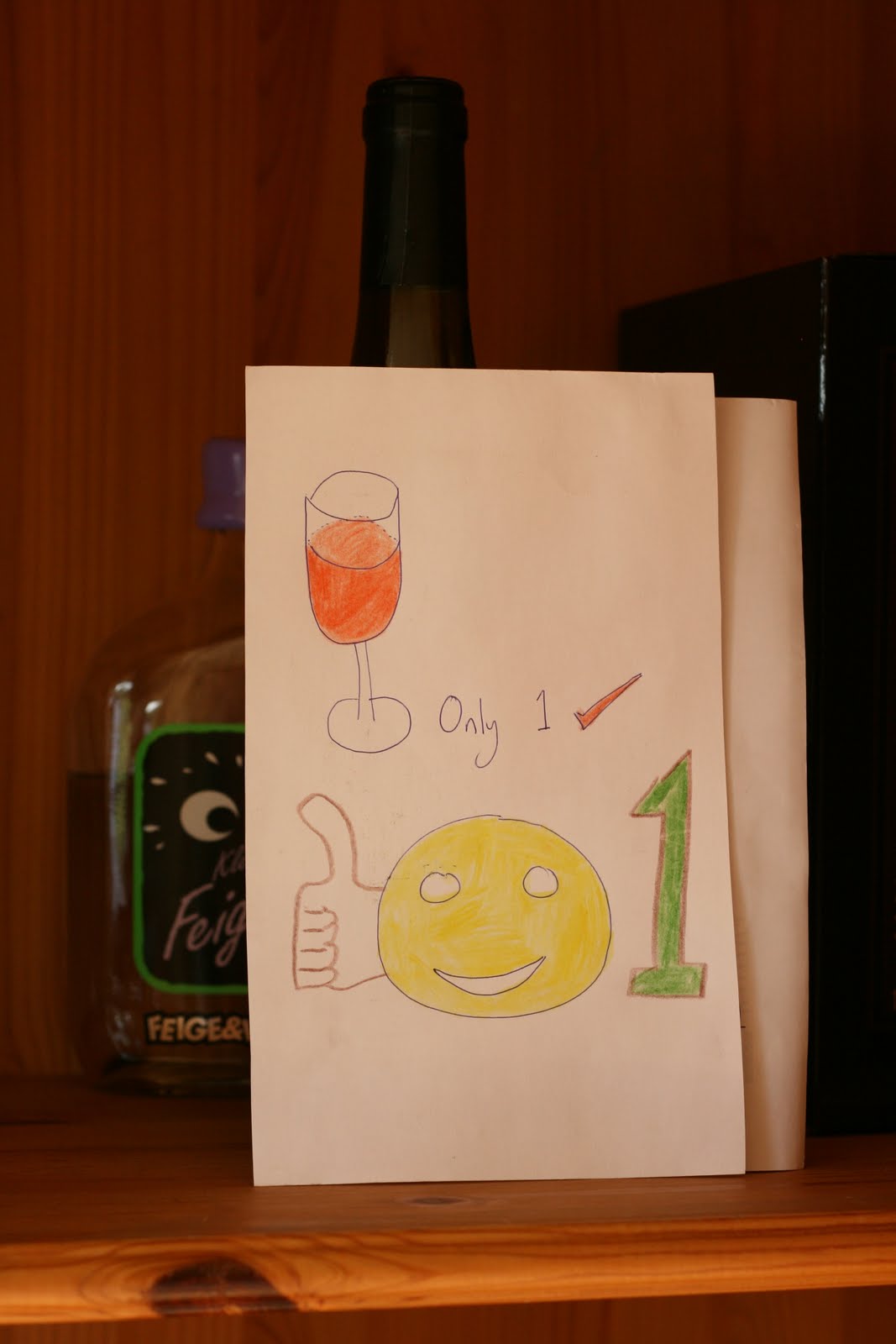
Note place on my wine bottles
Gain more quality time
Drink soft drinks with alcohol
Celebrate ‘stopping’ after one glass
Get healthier
Say no to alcohol, when I don’t want it.


Understand my motivation to drink.  Can they be changed?


Always drink a soft drink with an alcoholic one, when I’m in a pub.


How BJ Fogg’s Habit Change Model helped me


The model helped me ask a better question. 


The model moved the focus on to ‘abilities’ (what action to take) from motivation.

  • Sometimes you can go backwards with habit change.  I did, in January I was on holiday for two weeks and I drank like my old self.  If I was relying on my motivation I would’ve probably thrown in the towel.  But luckily, I revisited my ‘abilities’ list and worked on ‘Saying No to a drink’ and ‘always having a soft drink with an alcoholic one’.  I didn’t blame myself.  I focused on building change instead.

‘Abilities’ really helped me take action, because it made action specific.

  • ‘Stop after one glass’ was an easy action to implement at home.  It was clear, there was no wiggle room and it allowed me to use a trigger that worked every time.  I knew when I had achieved this and this allowed me to ‘celebrate’ the new habit too.

Clear ‘abilities’ make it easier to use triggers.

Triggers allow you to be consistent.  Consistency changes habits.

  • What’s a trigger?  Classic ones; When you sit on your sofa (this triggers), you then turn on the TV.  When you see a red light, you start to slow down and then stop.  And from the world of drinking, when your glass is empty, you fill it up.
  • ‘Stop after one glass’ – I placed a notice on my wine bottle ‘only one glass’.  I saw it every time I started drinking and it got me to think, WHY?  Why, just one glass (no hangovers, feel great tomorrow and won’t be drunk tonight)?  This got me to do the new habit.  It got to think at the right time and it send my motivation sky-high, also at the right time. 
  • This trigger made it so easy, that it felt like I was cheating.  Remember, I hadn't been able to do this for 25 years.

Overall

If you want to change a habit; stop, start or modify one, this model makes it easier.  It's action focused and it helps make those actions clearer.  It moves the focus away from motivation (a very inconsistent quality and one that can lead to self-blame) to action.  It also promotes the use of triggers, which gets you to do new actions consistency.  Use the model.  It works.

Other links;

Do you drink too much;  answer this question - how many times have you been drunk in your life?

Monday, 28 May 2012

Learn at Home – The Art of 'Stopping' after one glass


Why doesn’t good advice work more often?  What’s the human trait that gets in the way of habit change?  And what’s a simple way of addressing this trait?

The home is the ideal testing ground for changing habits because you have control over the environment.   When you change the environment, behaviour changes can become much easier.


A few years ago


I’d wanted to moderate my drinking for a long time but I didn’t find a way of doing it. I came across a key bit of advice for people who want to moderate their drinking;


“Think before you drink.  Decide how you’re going to drink before you start and when you’ll stop.” 


Whilst this is good advice, it does overlook the ‘how’ and a condition many of us suffer from.   The classic image of someone trying to change a habit (someone on a diet, stopping smoking or cutting down on the drink) is someone struggling with ‘carvings’.  They fight against themselves, sometimes winning and sometimes losing.  I hardly ever got to this stage because I simply forgot to ‘think before I drink’.


Forgetting was my main problem with changing this habit.  But why did I forget? 


Well, I think, it’s partly because we have a rush of thoughts that are pro-drinking before we start drinking.  If we’re going to meet friends, we’re probably thinking many things like; how are my friends? What stories can I tell them about me? What news do I know that they don’t?  How can I make this night fun? etc.  (Many of these thoughts might be pro-drinking, if we have beliefs such as ‘I’m more social when I drink’, ‘drink makes things more fun’, ‘I talk more when I drink’ etc.)


We also lead busy lives.  Our lives are full of information, which complete for our attention and keep us preoccupied.  There could be issues at work, with the family, we might be busy with our social networks and the environment is getting filled with information too (ads especially).   With all this information going on, it’s not surprising that we can’t remember to ‘think before we drink’.


Accept that we all ‘forget’ because it can be addressed.  This is especially easy in the home.


A trigger gets you to automatically do something.  In drinking, a classic trigger is when we finish a glass of beer/wine/whiskey.  What do we do?  We fill it up again.  And if we don’t fill it up, people will ask you ‘Do you want a drink?’ or ‘Is everything ok?’   People are incredibly uncomfortable with empty glasses.


To address ‘forgetfulness’, the easiest way I found was to put a reminder by my wine bottle.  This put the message ‘think before you drink’ in the right place.  I also saw it at the right time. 


When I saw this,  my thoughts went like this.  I’m going to drink just one drink.  Why?  Because I won’t get a hangover tomorrow, I’ll feel fine and energetic, and I won’t be a drunken idiot tonight.  Drinking one is healthy.   It’s easy to do.


And it was.  Once I thought about ‘what’ and ‘why’ before I started drinking, the change was easy.  The trigger also meant I did it every time.  Consistency is what changes habits and triggers make you consistent.


I stopped using the triggers after about two months because I automatically ‘think before I drink’ now.


Wednesday, 23 November 2011

Three Gear Drinking Brits

This article is for;

People who drink too much and want to cut down.

Reading this will give you;

You’ll realise that British drinking patterns are just habits. British drinking habits might be unhelpful and limited but they can certainly be changed. Moderate drinking is a skill and like all skills it can be learnt by most people.

Brits and their three gears of drinking

0 (neutral if you like) – Don’t drink.
3 – Drink fast
4 – Drink until you’re very drunk.

If this was a car, you wouldn’t be very happy. It’ll get you into a lot of trouble and you’ll be making an ass of yourself most of the time you’re driving. Same with drinking, you either be fine, when you’re in neutral or when you do drink, you risk the chance of hangovers, missing much of your weekend, feeling bad, sounding slurred, insulting someone you didn’t want to or even getting into trouble with other people. Drinking with three gears isn’t great and yet many British people drink this way. I did for twenty five years and the majority of people I know who drink, drink this way too.

Why are we so bad? Culture, perhaps? Weak minded? Peer pressure? The causes could be debated forever, the end result is that many of us only drink using third and fourth. We don’t drink using gears one and two because essentially, we don’t practice them. When was the last time you stopped after one? When was the last time you started with water? When was the last time you ordered a jug of tap water with your round?

What are gears one and two?

Perhaps;

1 – Drink one or two drinks and stop
2 –Drink two, three or four drinks, with a soft drink starter or alternating between alcohol and soft drinks.

If you can master even one of these gears, your drinking will radically change. They are not difficult skills to master, you only need to practice them to get good at them.

I’ve practice ‘drinking one or two drinks and then stopping’ and for me, this has been my silver bullet. It has changed my attitude towards drinking. I now think before and during drinking about what could happen the next day. If possible, I drink with a soft drink too, to slow me down. The amount I drink now is much lower than before. I hardly ever drink more than four pints at a time. That used to be my minimum.

You don’t have to be a three gear drinking Brit. You don’t have to get drunk every time you drink (check out Scare Yourself with numbers). You don’t need to feel bad about yourself the next day. Take control of your drinking by practicing gears 1 and 2. Once you’ve got these gears, your drinking will change for the better.

Other articles on Moderate drinking

Overview of the Moderate Drinker
Will-power is overrated

Monday, 17 October 2011

Trigger You Consistency – A Valuable Key for Habit Change

What will you get from reading this.


You’ll be able to change your habits that much easier by using triggers. Change bad habits into good ones and adopt new habits because ‘triggers’ keep you consist. Consistency is gold when it comes to habit change.

Hangovers are like motivation, they never happen at the right time.


How many times have you heard yourself or a good friend say ‘I’m never drinking again, never ever, not after last night!’ But as the hangover goes so does the motivation to stop or drink less. A day later it’s ‘I’m cutting down. I’ll just have a couple.’ And a couple of days later when you start drinking again, the hangover’s gone, the motivation’s to drink less has gone and you drink like you always do. Too much!

You know that you drink too much. You know that when you drink too much it can affect you the next day. You know that it does damage your body but yet, you still don’t moderate. Why?

My take on this, is because your brain is busy. Apparently, your conscious brain only holds one thought at a time and the likelihood of it thinking about ‘moderation’ at the right time is slim. There are too many other things to think about.

You could be thinking of your friends, the latest gossip, the bargirl, stress at work.

So if motivation doesn’t work well what does?

BJ Fogg has come up with a model of habit change which contains three elements. One of them is motivation and he’s says that motivation is the least important element. The other two are ability (to change) and triggers.

Take smoking for example


• Motivation – most smokers want to give up. They know that their habit is bad for them.
• Ability – most smokers give up when their ability to give up increases. This could be nicotine patches or a new mindset thanks to Alan Carr.
• Triggers – (to stop) strokes, serious illness, the warning on a cigarette package. (to smoke) fag break, coffee, reading the morning paper.

Triggers have worked where motivation hasn’t in the past. You need your ‘trigger’ to fire at the right place and the right time. What’s worked for me, has been placing 'two homemade triggers' by my wine bottles.

The first trigger


Reminds me that I’m only going to drink one.

It’s been surprisingly effective. Since putting it in place, I’ve only had one drink a night at home (half the time I don't drink).

It has also helped me build two useful ‘abilities’

1. Helps me to think before I drink. I think that I’m only going to have one. After that I’ll be on water again. I smell my drink more and make more of an effort to saviour it.

2. Stop at one. I only drink one per night because it’s easy to record and it’s also easier to stop after one than after two or three.

The second trigger


Reminds me to congratulate myself for only drinking one drink. This is a new habit and if it’s going to replace the old habit I need to enjoy it and celebrate it.

I added this one later as I noticed that I wasn’t always congratulating myself for stopping at one.

Celebrating 'good behaviour' is important as it’s going up against habits that have lasted twenty five years or more.


Conclusion


Triggers have consistently kept my mind on ‘moderation’. They helped me get off to a great start and have reminded me at the right time and place so that I can practice moderation. I had the motivation (the right intention) before but it was never consistent enough to really change my drinking habit.

Now, after five weeks, not only do I always think before I drink in my home but when I'm out this new behaviour is also present. I have said no to drinks and free ones at that. I’ve really got to a stage where I’ve thought about my habit quite deeply and I’m changing my views and associations on drinking which should have a lasting effect.

When you want to change a habit, be it drinking more moderately, stop smoking or eat better, use triggers to get you think and take action at the right time and place. Use triggers to keep you consistent. Once you're consistent, your new habit starts to take root. It starts to be become automatic.